Bed Bug-Proofing Your Home: Strategies for Long-Term Prevention
Written by Eric Desuza
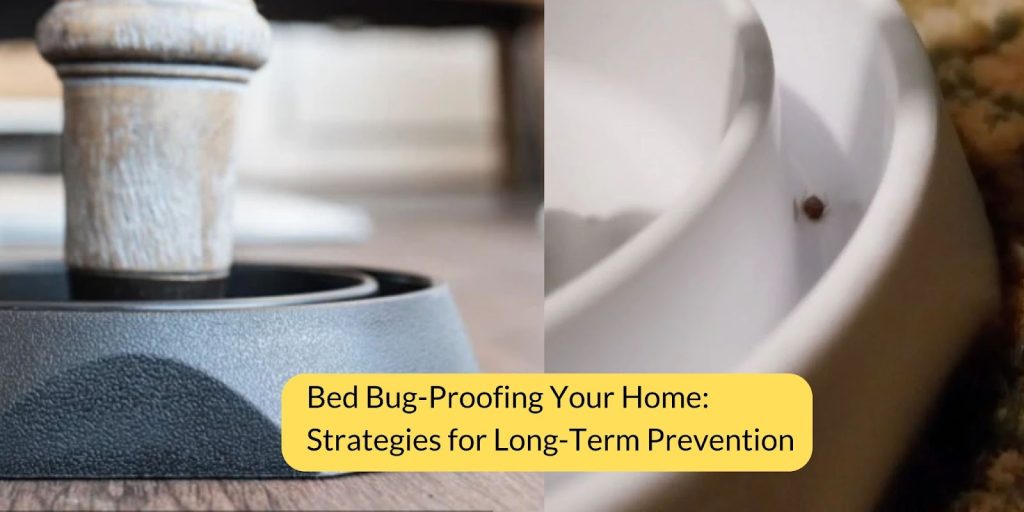 Bed bugs are unwelcome intruders that can turn your peaceful haven into a nightmare. Effective bed bug removal is essential, but it's even better to prevent them from infesting your home in the first place. Don’t worry.
We have a detailed guide for you on how to bed-bug proof your property to ensure long term prevention.
Let’s dive right in to explore all the key strategies for bug proofing along with some additional information to safeguard your home.
Understanding Bed Bug Behavior
To effectively prevent bug infestations, it's crucial to understand their behavior and habits.
Bed bugs are small, noctu
al insects that feed on human blood. They can hide in cracks, crevices, and even furniture, making them hard to detect.
Bed bugs are unwelcome intruders that can turn your peaceful haven into a nightmare. Effective bed bug removal is essential, but it's even better to prevent them from infesting your home in the first place. Don’t worry.
We have a detailed guide for you on how to bed-bug proof your property to ensure long term prevention.
Let’s dive right in to explore all the key strategies for bug proofing along with some additional information to safeguard your home.
Understanding Bed Bug Behavior
To effectively prevent bug infestations, it's crucial to understand their behavior and habits.
Bed bugs are small, noctu
al insects that feed on human blood. They can hide in cracks, crevices, and even furniture, making them hard to detect.
Regular Home Inspections
- Frequency Matters:
- Comprehensive Checks:
Decluttering for Prevention
Reducing clutter is essential because it eliminates potential hiding spots for bugs. Minimize clutter in your home, as it not only removes hiding spots but also makes inspections easier.Sealing Cracks and Crevices
- Identify Vulnerable Areas:
- Seal Effectively:
Mattress and Box Spring Covers
Invest in mattress and box spring encasements designed to trap bed bugs inside. These covers prevent bed bugs from infesting your bed and make it easier to monitor for infestations.Laundry and Bedding Maintenance
- Heat Treatment:
- Vacuum Regularly:
Traveling Precautions
- Inspect Luggage:
- Isolate Luggage:
Secondhand Furniture Caution
While secondhand furniture may be budget-friendly, it can carry hidden bed bugs. If you do buy used furniture, inspect it thoroughly before bringing it into your home. Educating Yourself on Bed Bug Signs Knowing the signs of a bed bug infestation is key to early detection. Look for:- Itchy Bites: Small, itchy bites on your skin, often arranged in clusters or lines.
- Bloodstains: Bloodstains on sheets or pillowcases from bed bug bites.
- Visual Evidence: Tiny bugs, eggs, or fecal stains in mattress seams, crevices, or hiding spots.
Professional Pest Control
- Early Intervention:
- Comprehensive Treatment:
Preventing Reinfestation
After successfully removing bed bugs, it's crucial to prevent reinfestation:- Ongoing Inspections:
- Maintain a Clutter-Free Environment:
- Travel Wisely:
- Use Bed Bug-Proof Products:
Final Words
In simple terms, proactive prevention is the most effective way to maintain a bed bug-free home. Regular inspections, cleanliness, education about bed bug signs, and professional assistance when needed are your best defenses against these unwanted pests. By following these strategies, you can rest easy, knowing your home is well-protected against bed bugs.Article author
About the Author
I am Eric Desuza a pro-level blogger with 5 years of experience in writing for multiple industries. I have extensive knowledge of Food, Fitness, Healthcare, business, fashion, and many other popular niches. I have post graduated in arts and have a keen interest in travelling.
Further reading
Further Reading
Article
The Role of Technology in Revolutionizing Lead Generation Services in Pakistan
In recent years, the business landscape in Pakistan has undergone a significant transformation, driven largely by advancements in technology. One area where this impact is particularly evident is in lead generation services. Lead generation, the process of attracting and converting potential customers into individuals who have expressed interest in a product or service, has become more efficient, targeted, and data-driven, thanks to technological innovations. This article exp
January 31, 2025
Article
From Cold Calling to Pre-Qualified Leads: The Power of Buying Solar Appointments
The solar industry is highly competitive, and securing new customers is a constant challenge. Traditionally, companies have relied on cold calling, door-to-door sales, and digital marketing campaigns to generate leads. However, these methods often require significant time, effort, and financial investment, with no guarantee of conversion. The introduction of pre-qualified solar appointments has revolutionized the process, making it more efficient and cost-effective. Tradition
January 29, 2025
Article
Top 7 Programmatic Advertising Platforms
All a business does is reach the right audience with the right message at the right time. Seems simple enough. Unfortunately, traditional advertising methods frequently lack the precision and efficiency required. Consequently, they fail to engage target audiences in this fragmented, data-driven world. A robust solution is found in the form of programmatic advertising. It uses AI and ML to automate the trade of digital advertising space. This means marketers can reach their au
January 28, 2025