How Fire Watch Security Guards Can Strengthen Decision-Making Skills on the Job
Written by christopherthomas
Fire watch guards serve as critical protectors in environments where fire hazards exist. From construction sites to major industrial facilities, their work environment can change rapidly during emergencies. Their ability to make fast and accurate decisions is vital to preventing property damage, injuries, and even loss of life. Strengthening decision-making skills is thus essential for anyone working in a fire watch role. Let's check out!
The Role of Training and Situational Awareness
One of the most effective ways to build better decision-making skills is through continuous training and developing situational awareness. Guards must stay current with safety protocols, emergency procedures, and fire prevention strategies. Regular drills and scenario-based training help them practice critical thinking under pressure and assess risks quickly. For example, they learn to identify early signs of fire, such as smoke or unusual odors, and respond appropriately.
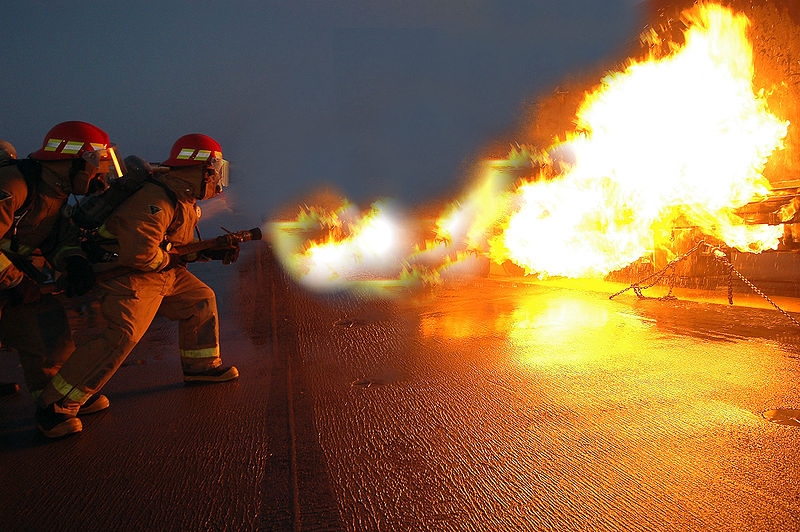
Advanced training often covers complex decision-making skills required during real emergencies. Guards learn how to evaluate situations where multiple hazards exist at once. For instance, they might need to decide whether to activate fire suppression systems or initiate evacuation procedures based on fire size and location. Training also emphasizes the importance of communication. Guards must relay accurate information to emergency responders and coordinate with other safety personnel to ensure a unified response.
Experience and Analytical Thinking
Experience plays a significant role in enhancing a guard's ability to judge situations accurately. Each shift offers opportunities to learn from real incidents, near misses, or routine inspections. Over time, guards develop an intuitive sense of early warning signs and what actions to take. Maintaining logs of past incidents and near misses helps guards analyze patterns and improve their decision-making. Reviewing these records allows them to learn what worked well and where they can improve.
Practical experience also helps guard personnel gain confidence in their abilities. When they have successfully handled various scenarios, they become more comfortable making decisions quickly during emergencies. This confidence reduces hesitation, enabling guards to respond decisively and effectively in critical moments.
Psychological Readiness and Emotional Control
Making sound decisions under stress requires psychological resilience. Advanced training includes techniques for managing stress, avoiding panic, and staying focused during chaotic situations. Guards learn to maintain emotional control and prioritize actions that save lives and protect property.
During high-stakes incidents, emotional control is tested. Guards are trained to stay calm and avoid impulsive reactions that could worsen the situation. They develop structured decision frameworks, which guide their response based on the severity of the fire, available resources, and immediate risks.
Practical Exercises and Simulations
Training programs often incorporate realistic scenarios to simulate emergency conditions. Surprise drills, low-visibility navigation exercises, and equipment failure simulations help guards practice making quick decisions with limited information. These exercises build confidence and help guards develop automatic response patterns.
Such practical exercises involve multiple challenges, such as restricted visibility, communication failures, or sudden equipment malfunctions. Guards learn to adapt rapidly and implement contingency plans. For example, when communication systems fail, they rely on hand signals or prearranged protocols to coordinate with team members.
Continuous Growth and Development
Effective decision-making is an ongoing process. Guards should seek feedback after each shift or training session and work on refining their judgment skills regularly. Developing a routine of self-assessment and learning helps them stay prepared for unpredictable emergency scenarios.
By consistently improving their decision-making capabilities, fire watch guards not only enhance their safety performance but also contribute significantly to overall fire safety management. Their ability to evaluate situations accurately and act swiftly can make the difference between containment and catastrophe.
Article author
About the Author
Such practical exercises involve multiple challenges, such as restricted visibility, communication failures, or sudden equipment malfunctions.
Further reading
Further Reading
Article
Visual Communication Design vs Graphic Design: Key Differences Between the Two Disciplines
Design has been at the centre of our perception of information, brands and entertainment in the world that is now digital first. Whether you browse social media, watch YouTube videos, or pass a billboard, you probably have encountered both visual communication design and graphic design, yet most likely, you were not aware of the distinction between the two. Although these two fields are closely related and in many instances overlap, they have different purposes and require di
July 21, 2025
Article
Why Guitar Lessons Are the Key to Mastering the Instrument
Learning to play the guitar is an exciting and rewarding experience. Whether you’re a complete beginner or have been playing for years, guitar lessons can help you unlock your full musical potential and take your skills to the next level. But what exactly do guitar lessons offer, and how can they benefit you? Let’s dive in! 1. A Structured Learning Path One of the biggest advantages of taking guitar lessons is the structure they provide. While it’s easy to get lost in the s
February 1, 2025
Article
Why Choose a CBSE School? Key Insights for Parents
One of the most important choices you will make as a parent is which school to send your child. Your child's intellectual and psychological growth might be greatly impacted by the educational board they choose. A lot of parents choose the Central Board of Secondary Education(CBSE) over the other educational boards that are available in India. We will discuss the benefits of selecting a CBSE school for your child's education in this article, especially if it's a CBSE school in
November 21, 2024
Article
Top Reference Management Software to Save You Time
When it comes to research, acquiring and organising information is equally significant as the research itself. This is where reference management software comes in. It can help you gather, organise, and reference your sources more efficiently, saving you time and energy in the long run. Good reference management software may make a significant difference for academic researchers and PhD students, from ensuring that your references are correctly formatted to assisting you in f
August 28, 2024