Irregular Heartbeat Increases Risk of Memory Loss
Written by Junji Takano
Most people suspect that forgetfulness or dementia occurs because of some changes or problems in the brain, especially among the elderly. However, this is not always the case. In fact, a heart problem can also increase the risk of dementia or Alzheimer's disease!
It may be hard to believe this, but the statistics speaks for itself--there is an estimated 350,000 people in Japan alone who suffers from dementia due to heart problems. Some experts say that if the number of patients who are at risk is included, then the number will be twice as much.
In this article, we'll tell you about the surprising link between the heart and memory loss. You'll also learn how you can spot the symptoms early, and the available treatments you can take.
## Surprising Link betwee "Memory Loss" and "Irregular Heartbeat"
Research shows that some sudden symptoms of fainting and forgetfulness are caused by an irregular heartbeat. Now, statistics show that about 90% of people may experience abnormal heart rhythms or irregular heartbeat at some point in time! However, this does not always indicate a serious illness. In other words, there are two types of irregular heartbeat – the dangerous one and the harmless one.
## Difference between a Dangerous and a Harmless Irregular Heartbeat
Typically, a normal resting heart rate for adults ranges from 60-80 bpm (beats per minute). However, the difference between a dangerous irregular heartbeat from harmless one has nothing to do on the number of times the heart is beating per minute. In fact, even people who are diagnosed with a heart rate that suddenly jumped by more than 4000 beats per day may not be considered a problem.
The key in identifying a dangerous irregular heartbeat is through the heart sinus node. The sinus node is an impulse-generating tissue and is responsible in maintaining the heart's electrical signal or normal sinus rhythm. This is our body's natural pacemaker! The sinus node works 24 hours a day without rest to keep the heart working properly at all times.
It is not uncommon that the heart's electrical signals may temporarily be disrupted due to some reasons and cause irregular pulse, but does not constitute abnormality in the function of the sinus node itself. In fact, it is the function of the sinus node to restore the heart's normal rhythm as soon as it can. This does not constitute a major problem and may be considered a harmless irregular pulse.
On the other hand, a dangerous irregular heartbeat occurs when there is a decreased function of the sinus node. In other words, a malfunctioning sinus node cannot discharge important electrical impulse and is considered a health risk.
## How to Recognize a Dangerous Irregular Heartbeat
Below are some of the conditions that need to be followed before taking a urine test to ensure accurate results.
The medical name for the dangerous irregular heartbeat caused by malfunctioning sinus node is called "bradyarrhythmia" or more commonly "bradycardia". This heart disease usually affects the elderly.
One way to distinguish the dangerous type of pulse from harmless pulse is by identifying the number of seconds the sinus node activity pauses (called sinus arrest or sinus pause).
On a harmless irregular pulse, the sudden pause in the regular activity of the sinus node falls within two seconds. With the dangerous type, it falls for 3 seconds or more.
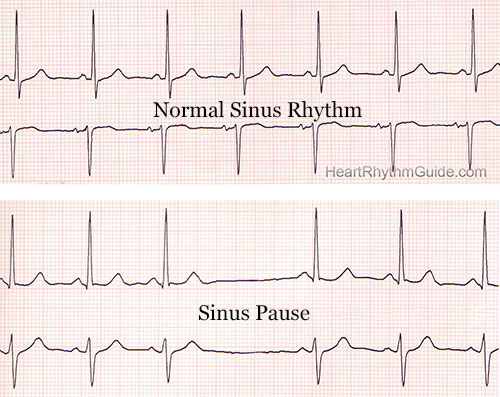
-- Major Characteristics of Bradycardia
1. Sinus pause is more than 3 seconds.
2. Heart pulse is 40 beats per minute or less.
-- The most common symptoms of bradycardia are the ff:
1. Lightheadedness
2. Dizziness
3. Weakness
4. Shortness of breath
5. Fainting
6. Memory Loss or Forgetfulness
If you are suffering from symptoms mentioned above, it is recommended that you consult a cardiologist as there is a possibility that the sinus node of your heart is malfunctioning and so the blood supply throughout the body including the brain is reduced.
Note: Professional athletes may have a heart resting rate of 40 beats per minute. This is normal as their body is already trained through constant strenuous exercise. This is part of sport adaptation of the body to help prevent tachycardia (abnormally rapid heartbeat) during training.
## How to Measure Your Heart Pulse
Use the middle three fingers of your right hand to feel the pulse on your left hand (or vice versa). Place your ring finger just below the wrist crease (on the thumb side). See illustration below.
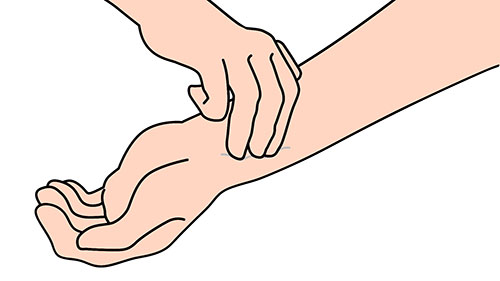
Then, allow the other two fingers to rest gently next to the ring finger. Gently press with all three fingers evenly until you can feel a pulse. Monitor the quality of your pulse for a minute.
The pulse should be easy to find, if not, press a little stronger.
## Available Treatment for Bradycardia
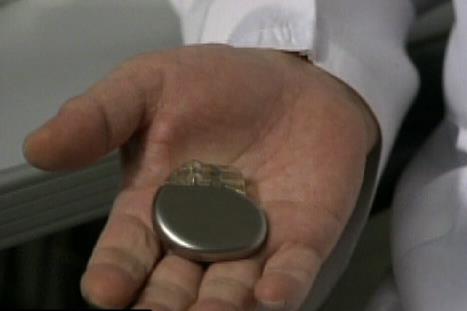
The most common treatment for bradycardia is through an artificial cardiac pacemaker. The pacemaker is implanted in the body via surgery, which will help send out electrical signals or impulse to initiate normal heartbeat in place of the sinus node.
Modern pacemakers are considerably getting smaller with sizes varying from 4-5 cm in width.
Surgery is done under local anesthesia, which usually takes 1-2 hours. Another surgery will be required to replace the pacemaker battery once in every 5-10 years.
Article author
About the Author
Junji Takano is a Japanese health researcher involved in investigating the cause of many dreadful diseases. In 1968, he invented the PYRO-ENERGEN electrostatic therapy machine, which effectively eradicates viral diseases, cancer, and diseases of unknown cause.
Subscribe to his free health newsletter at http://www.pyroenergen.com/newsletter.htm
Further reading
Further Reading
Article
Shilajit for Libido Enhancement - Boost Sexual Health, Stamina & Vitality Naturally
Abstract Low libido is a common conce affecting both men and women due to stress, hormonal imbalance, fatigue, poor lifestyle, and aging. Ayurveda offers time-tested natural solutions to restore sexual vitality, and Shilajit for libido enhancement is considered one of the most powerful remedies. Known as a Rasayana (rejuvenator), Shilajit has been used for centuries to boost energy, stamina, and overall sexual health naturally. Shilajit is a mineral-rich resin found in the
December 25, 2025
Article
Respiratory Infections and Pollution Effects - Causes, Symptoms & Prevention Tips
Abstract Respiratory infections are becoming increasingly common, and one of the major contributing factors is the rise in air pollution. Polluted air contains harmful particles, chemicals, and toxins that weaken the lungs and reduce the body’s natural defense mechanisms. As air quality worsens in cities, people of all age groups are experiencing more frequent coughing, breathing difficulties, allergies, and long-term respiratory diseases. How Pollution Increases Respirator
December 12, 2025
Article
Why Barometric Pressure Triggers Headaches - Causes, Symptoms & Prevention Tips
Many people notice that their headaches or migraines worsen when the weather changes. One of the most common culprits is barometric pressure, also known as atmospheric pressure. This pressure refers to the weight of the air around us, and even small shifts can affect sensitive individuals, often leading to headaches, sinus pressure, or migraines. What Happens When Barometric Pressure Drops? A drop in barometric pressure is common before storms, rainfall, or sudden weather c
November 22, 2025
Article
Boost Heart Health Naturally - The Role of Ayurveda in Circulatory Diseases
The circulatory system plays a crucial role in maintaining overall health by ensuring that oxygen and nutrients reach every part of the body. However, modern lifestyle habits—such as poor diet, stress, lack of exercise, and irregular sleep—often disrupt this delicate balance, leading to circulatory diseases like hypertension, atherosclerosis, varicose veins, and heart conditions. Ayurveda, the ancient Indian system of holistic medicine, offers time-tested solutions to restore
November 3, 2025