A old Washton
PhD
Free
Dr. A old M. Washton: Addiction Psychologist Specializing in Alcohol and Drug Abuse Treatment Expert
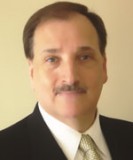
A old Washton Quick Facts
- Main Areas
- drug abuse and addiction psychologist, drug abuse and addiction psychologist, treatment for drug addiction, substance, drug and alcohol abuse treatment, outpatiente alcohol drug abuse treatment, outpatient rehab manhattan ny, cocaine addiction treatment, alcoholism and drug addiction relapse prevention strategies, non 12 step alcohol treatment, prescription drug addiction, treatment for opiate addiction, moderation management, substance abuse in health care professionals, motivation techniques, crystal meth treatment, crystal methamphetamine, suboxone detox
- Best Sellers
- Treating Alcohol and Drug Problems in Psychotherapy Practice: Doing What Works, Willpower's Not Enough: Recovering From Addictions of Every Kind, Cocaine Addiction: Treatment, Recovery, and Relapse Prevention, Quitting Cocaine Revised - Your Personal Recovery Plan, Psychotherapy and Substance Abuse: A Practitioner's Handbook
- Career Focus
- Private Practice of Addiction Psychology and Recovery from drug and alcohol abuse
- Affiliation
- Clinical Director of The Retreat at Princeton, National Proficiency Certification in the Diagnosis and Treatment of Alcohol and Drug Abuse from the American Psychological Association, College of Professional Psychology,
A old M. Washton, Ph.D is an addiction psychologist specializing in the treatment of alcohol and drug abuse since 1975. In addition to private practice at Recovery Options in both NY and NJ, Dr. Washton serves as Clinical Director of The Retreat at Princeton, an inpatient treatment program for substance abuse and psychiatric disorders.
Over the course of his extensive professional career in the drug and alcohol abuse treatment field spanning over three decades, Dr. Washton has designed and directed several nationally-known addiction treatment and research programs; and, he has served as substance abuse consultant to professional sports, government agencies both foreign and domestic, media organizations, multinational corporations; the United States Food and Drug Administration, and subcommittees of the United States Senate, the United States House of Representatives, and the New York State Senate.
Dr. Washton has also served as Clinical Professor of Psychiatry at New York University School of Medicine in the Division of Alcohol and Drug Abuse. He is a former recipient of research grants from the National Institute on Drug Abuse and major pharmaceutical companies, and a postdoctoral fellowship from the National Institute of Mental Health.
Dr. Washton is licensed to practice psychology in both New York (Lic No. 006178) and New Jersey (Lic No. 35S100357400) and holds National Proficiency Certification in the Diagnosis and Treatment of Alcohol and Drug Abuse from the American Psychological Association, College of Professional Psychology.
Dr. Washton is the author of numerous books and articles on substance abuse and the treatment of addictive disorders
Free Articles & Book Excerpts
A old Washton Books
Treating Alcohol and Drug Problems in Psychotherapy Practice: Doing What Works
http://www.guilford.com/cgi-bin/cartscript.cgi?page=pr/washton3.htm&dir=pp/addictions&cart_id=563302.14295
Willpower's Not Enough: Recovering From Addictions of Every Kind
http://browseinside.harpercollins.com/index.aspx?isbn13=9780060919696
Cocaine Addiction: Treatment, Recovery, and Relapse Prevention
http://www.amazon.com/Cocaine-Addiction-Treatment-Recovery-Prevention/dp/0393307158/ref=sr_1_14/103-2994730-1869465?ie=UTF8&s=books&qid=1173469822&sr=8-14
Quitting Cocaine Revised - Your Personal Recovery Plan
http://www.hazelden.org/OA_HTML/ibeCCtpItmDspRte.jsp?item=12166
Psychotherapy and Substance Abuse: A Practitioner's Handbook
http://www.amazon.com/Psychotherapy-Substance-Abuse-Practitioners-Handbook/dp/157230202X/ref=sr_1_4/103-2994730-1869465?ie=UTF8&s=books&qid=1173469822&sr=8-4
Contacting A old Washton
To request an initial consultation with Dr. Washton or to obtain more information about our services, please call us directly or fill out and email the form on our website.
All information you provide will be held strictly confidential. We will not put your name on a mailing list or make it available to any other persons or organizations.
How to get started
Why Choose Recovery Options?
Discreet and Confidential Outpatient Treatment
Recovery Options is a specialized private practice for alcohol and drug abuse treatment, not an addiction treatment program or clinic. Discretion and confidentiality are among our highest priorities. Many of our clients are physicians, atto eys, executives, business owners, and other professionals with special privacy conce s.
Flexible, Individualized Treatment Options
We will design a personalized outpatient treatment plan that addresses your problem with substance abuse and related mental health issues whether this is the first time your are seeking professional help for an alcohol or drug problem, or you have already tried standard alcohol and drug abuse counseling programs, inpatient addiction rehabs, general psychotherapy, and/or various medications without success.
Motivational, Not Confrontational Approach
Our Integrative Approach to substance abuse treatment and psychotherapy is motivational, not confrontational, recognizing that no single method of alcohol and drug abuse counseling or psychotherapy is best for everyone.
Comprehensive Outpatient Treatment Approach
We will address not only problems you may be having with alcohol or drug abuse, but also the psychological and emotional issues that may be intertwined with your substance use. Our Integrative Approach to alcohol and drug abuse counseling and psychotherapy is designed to enhance your coping skills and reduce your relapse potential over the long-term, whether your problems involve:
- Alcohol
- Cocaine
- Opioids
- Methamphetamine
- Tranquilizers
- Other addictive substances
- Other addictive or compulsive behaviors
Treatment for Anxiety, Depression, etc.
We will also address problems you may be having with anxiety, depression, or other mood disorders that may be related to your use of alcohol and other drugs. When needed, we can refer you to one of our consulting psychiatrists to determine whether medication may be helpful.
Referral for Inpatient Care
If you need inpatient detoxification, psychiatric care, and/or addiction rehab, we can facilitate your admission to The Retreat at Princeton where Dr. Washton serves as Clinical Director; or, we can refer you to other inpatient addiction treatment programs.
Other highlights
The central feature of the integrated approach that permeates all aspects of treatment is its emphasis on developing and maintaining a therapeutic relationship between patient and therapist. Of particular value in this regard are motivation-enhancement techniques (described below) that are designed to facilitate patient engagement and enhance readiness for change. Regardless of what particular issues or tasks are being addressed during a given phase of treatment, the therapist’s style, stance, and overall attitude toward to the patient are often the most critical determinants of treatment engagement, retention, and outcome. Unfailing respect for the patient’s autonomy and freedom of choice is essential. The therapist must maintain vigilant self-awareness especially with regard to controlling behaviors and other countertransference reactions that can alienate patients and lead them to drop out of treatment. Aggressive confrontation and not giving patients the benefit of the doubt, the mainstay of traditional addiction counseling, are seen as counterproductive and antithetical to the integrated approach. It is essential for therapists to maintain unfailing respect for the patient’s autonomy, sensitivities, defenses, and personal strengths. And clinicians must remain ever-mindful of the power of the therapeutic relationship to engender both benefit and harm. The therapeutic relationship is by far the most important ingredient of the integrated approach and, as in all other forms of good psychotherapy, it is the primary vehicle for facilitating positive change.